Finding a good primary care doctor in Texas isn’t really about picking a name from a list. Most people only start searching when something feels off with their health, or when they move to a new city and suddenly realize they don’t have someone to call anymore.
And Texas makes it a bit harder. You’ve got huge hospital systems, smaller private clinics, and independent doctors spread across cities like Dallas, Houston, Austin, and San Antonio. On paper, a lot of them look the same, but in real life, the experience can be very different.
This guide is meant to make that decision easier. I’ll break down what actually matters when choosing a primary care doctor in Texas, what to expect from top providers, and how to find care that fits your needs.
Why Choosing the Right Primary Care Doctor Matters
Most people don’t think much about this until they end up waiting too long for an appointment or feel like they weren’t really heard during a visit.
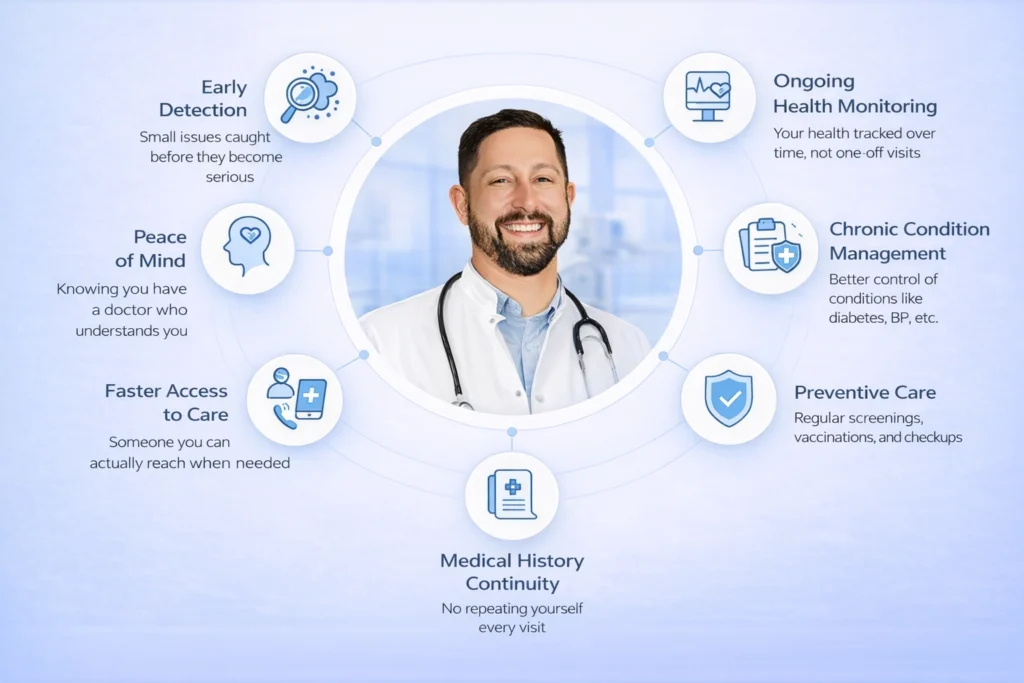
A primary care doctor is usually the first person you go to when something doesn’t feel right. But more importantly, they’re also the ones keeping track of your health over time.
When that relationship works well, things feel simple. You go in, they already know your history, and you don’t have to explain everything from scratch every time.
When it doesn’t work, even small things become frustrating, like delayed answers, rushed visits, and sometimes missed warning signs that should’ve been caught earlier.
That’s why the choice actually matters more than most people realize.
DR. G Medical Solutions – The Best Primary Care Physician in Texas
DR. G Medical Solutions is a Texas primary care center built around a simple idea: healthcare should feel more personal and less complicated. But what really defines the experience here is the approach taken by me.
Most patients today are used to large healthcare systems where everything moves quickly but doesn’t always feel connected. Appointments are short, follow-ups are inconsistent, and you often end up repeating the same information again and again. That’s usually where the frustration starts.
My approach is different. The focus is on continuity, actually knowing the patient, understanding their history, and staying involved in their care over time, rather than treating each visit as a separate event.
Our clinic covers all the core areas of primary care, but in a way that’s meant to be easier to access and easier to understand:
- Routine checkups and annual physical exams
- Preventive care, screenings, and early risk detection
- Chronic condition management, including diabetes, high blood pressure, and ongoing health monitoring
- Day-to-day concerns people usually come in for things like infections, flu symptoms, persistent coughs, asthma-related issues, or even fatigue that doesn’t seem to go away.
- Basic mental health check-ins, stress-related concerns, and thyroid-related symptoms that don’t always show up clearly at first.
- Telehealth consultations for follow-ups, minor concerns, and ongoing care without needing to come in
- Referrals and coordination with specialists when needed
The goal is to make care feel consistent and straightforward, whether it’s an in-person visit or a virtual check-in. Patients should receive assistance without needing to understand the system for their help requests.
This kind of setup tends to work best for people who want something more consistent and reliable:
- A doctor who remembers their history without having to start from scratch
- Flexible access to care, including both in-clinic and telehealth options
- Clear communication without unnecessary complexity
- Follow-through after visits, not just one-time consultations
For most people, the difference becomes obvious after a couple of visits. When care feels more connected and less rushed, it changes how you deal with your health overall, not just when something goes wrong, but day to day as well.
Book an Appointment with Dr. Andrew Gulbis
If you’re ready to speak with a primary care provider who focuses on clear communication, personal attention, and long-term care, DR. G Medical Solutions makes it easy to book an appointment without long delays or complicated steps.
Book Your AppointmentOther Commonly Recognized Primary Care Options in Texas
Texas also has some large healthcare systems that many people rely on.
- Texas Health Physicians Group is one of the bigger networks, with a wide reach across different cities and strong connections to hospitals and specialists.
- Baylor Scott & White Health is another major system, known for having a more structured setup where primary care, diagnostics, and specialist care are closely connected.
- There are numerous smaller clinics throughout Texas that deliver quality medical services according to the particular needs of their patients and the geographical location of their facilities. The available services show extensive differences in both their methods and their operation times.
The system functions effectively for patients who want all services to be available at one location because they need to visit different medical departments for their existing health conditions.
Independent Primary Care Doctors in Texas (What to Know)
Independent doctors are a different experience altogether. Usually, these are smaller private practices where the care feels more direct and personal. You are often seeing the same doctor consistently, which builds familiarity over time.
But there are trade-offs. Getting an appointment can sometimes take longer, and not every clinic has the same level of in-house facilities or support services. For some people, that trade-off is worth it. For others, convenience matters more.
Best Primary Care Options by City in Texas
Things also change when finding primary care options, depending on where you are in Texas.
- People in Dallas and Fort Worth select their medical facilities from various hospital networks and smaller clinics according to which location serves them best.
- The healthcare system in Houston ranks among the top three advanced medical networks throughout the United States because it provides extensive hospital-based treatment options and specialized medical services.
- Austin presents a distinct atmosphere. The newer clinics in that area mostly provide preventive medical services through their digital-first platforms, which include telehealth and online appointment booking.
- San Antonio operates as a community-oriented city that emphasizes ongoing medical care through established patient connections.
How to Choose the Right Primary Care Doctor for You
There really isn’t one “best” primary care doctor for everyone. It mostly comes down to what you actually need and how you prefer to be treated.
If you have chronic health problems, you will prefer to receive treatment from the same physician because it eliminates the need to share your medical background repeatedly. The primary concerns for you are appointment accessibility and clinic proximity when you need to visit for occasional checkups because you maintain good health.
A few things are usually worth noticing after the first visit or two:
- Whether the doctor actually listens or feels like they’re rushing through you.
- How easy it is to get a follow-up without calling five times.
- If they explain things properly or just throw medical terms at you and move on.
- And honestly, how organized the place feels because that ends up affecting everything more than people expect.
Insurance matters more than people think, especially once follow-ups, lab work, or referrals start getting involved. Before choosing a doctor, it’s worth checking whether the clinic accepts your plan, what out-of-pocket costs might look like for routine visits, and how flexible they are if you’re paying without insurance.
A doctor may seem like a good fit on paper, but if the coverage side is confusing or limited, that usually creates frustration later.
Also Read: Difference Between a Primary Care Doctor and a Family Doctor
FAQs
How do I find the best primary care doctor in Texas?
Usually, it comes down to how comfortable you feel with them, not just ratings or reviews. Experience, communication, and accessibility matter more in the long run.
What is the difference between family medicine and internal medicine?
Family medicine covers patients of all ages. Internal medicine focuses mainly on adults.
How often should I visit a primary care doctor?
Once a year is a good baseline for most people, unless you have ongoing health issues that need closer monitoring.
Do primary care doctors offer telehealth?
Yes, many clinics in Texas now offer virtual consultations for basic follow-ups and non-emergency issues.
The experience becomes better when you know how to find a primary care doctor in Texas who spends time with patients, maintains simple processes, and provides continuous medical care instead of treating patients as one-time cases.